Master Planning and Site Development
Master planning organizes land use, access, movement, infrastructure, open space, building zones, and phasing before individual buildings are resolved. MPAAI uses this larger-scale view to help clients establish a practical framework for coordinated development.
Understanding the site as a system
A site is shaped by boundaries, access, topography, climate, surrounding uses, infrastructure, regulations, and environmental conditions. The planning process begins by assembling and reviewing the information that will influence development decisions.
The resulting framework should make relationships visible: where activity belongs, how people and vehicles move, how services connect, and how later phases can be delivered without undermining the whole.
- Site opportunities and constraints
- Land-use and development zones
- Pedestrian, service, and vehicle movement
- Infrastructure and open-space relationships
- Phasing and future growth
Planning for use and delivery
A successful plan must support how the place will actually operate. Campus, hospitality, civic, residential, and transport projects each require different patterns of access, privacy, servicing, public space, and expansion.
MPAAI connects these operational requirements to an architectural framework that can guide detailed design and future project packages.
A basis for coordinated decisions
The master plan gives the client and consultant team a shared reference for evaluating later changes. It can help identify dependencies early, clarify phases, and reduce conflicts between buildings, circulation, utilities, and landscape.
Common questions
What projects benefit from master planning?
Campuses, resorts, communities, civic complexes, transport sites, mixed-use developments, and properties intended for phased growth commonly benefit from a coordinated master plan.
Is a master plan the same as a building design?
No. A master plan establishes the overall site framework. Individual buildings and spaces are then developed through more detailed architectural, engineering, landscape, and technical design.
What information is useful at the start?
Site surveys and titles, access and utility information, the development program, capacity targets, known constraints, business or operating requirements, schedule, and phasing priorities are useful starting inputs.
Relevant MPAAI projects
Selected work
La Meridian Resort Maldives
Resorts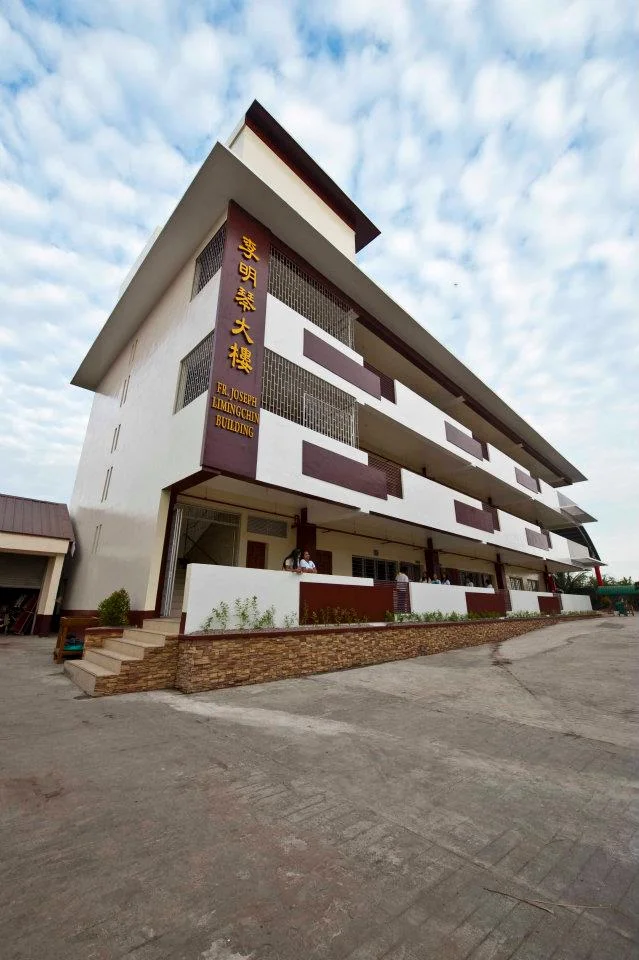
St. Joseph School Fr. Joseph Limingchin High School Building
Educational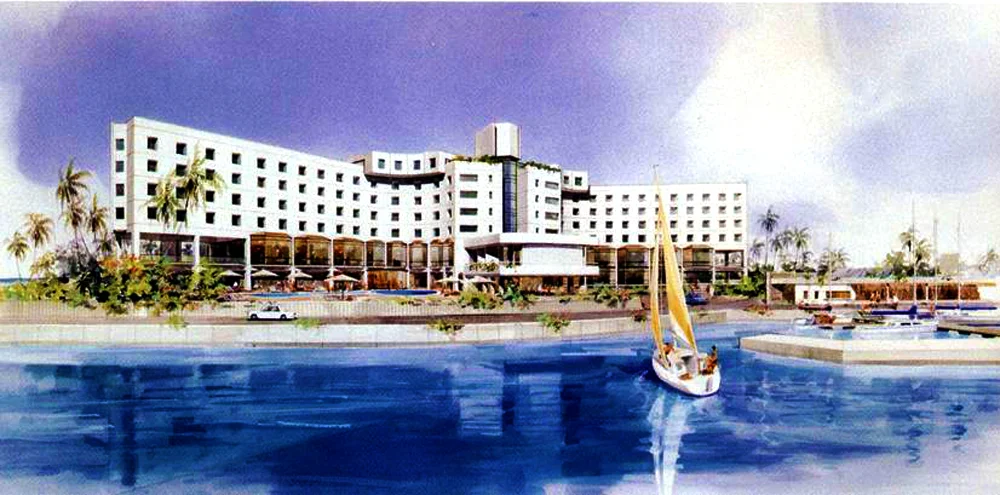
Proposed International Male Hotel
Resorts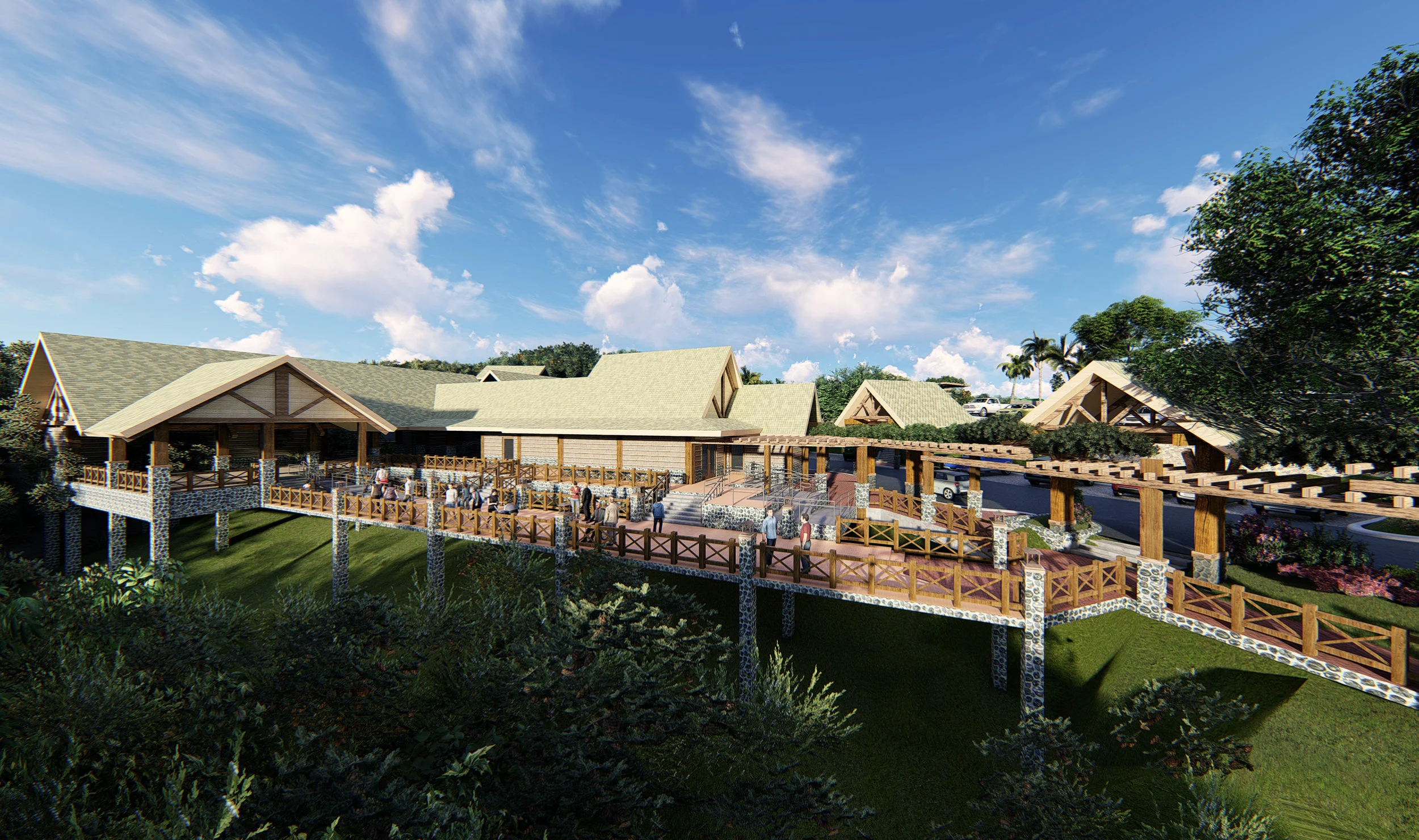
Bulusan Volcano Natural Park Lake Development
Institutional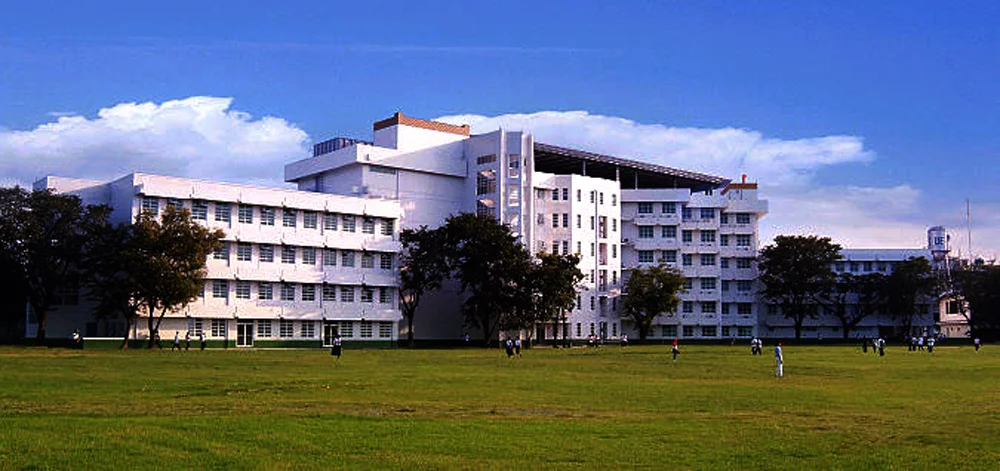
UE Caloocan Administration and Academic Building
Educational